
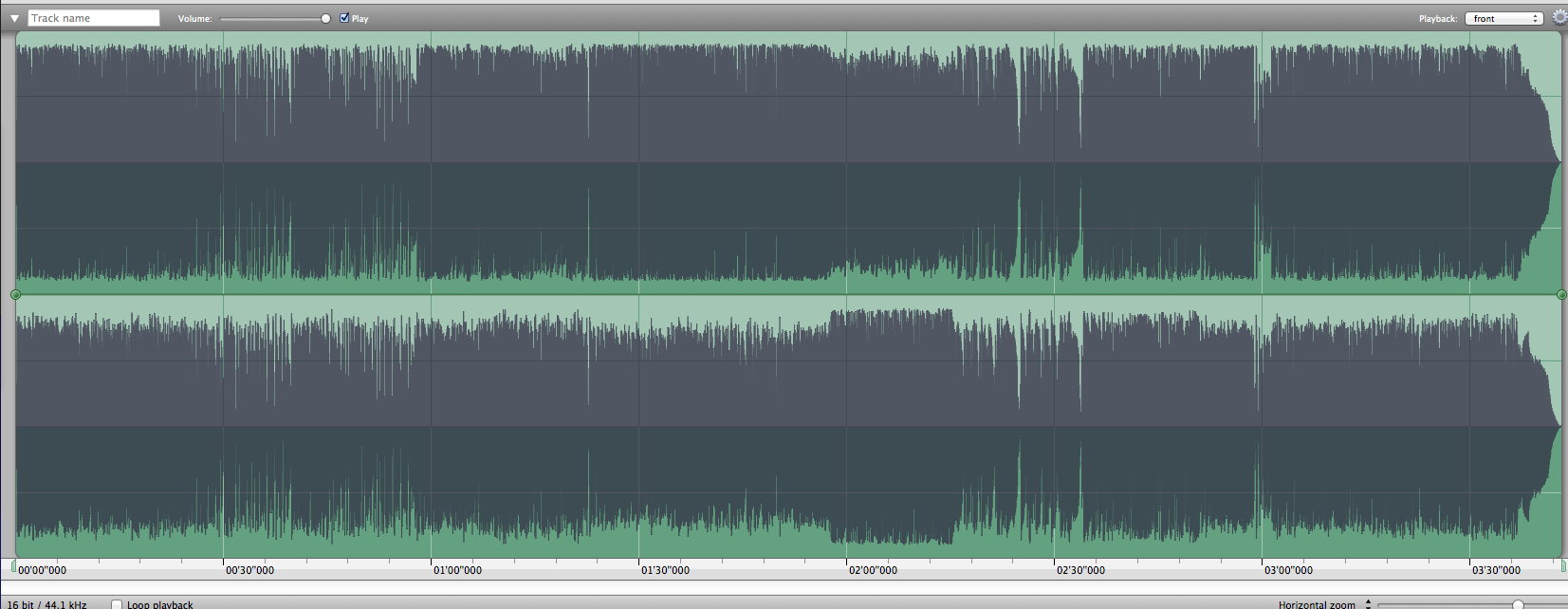
The Importance Of Headroom In Music Production Audiofanzine Learn what headroom is, why it's important in both mixing and mastering, and how it ties in to the related concept of crest factor. Learn what headroom is and why it matters for mixing and mastering. from gain staging to peak and rms, here's what you need to know.
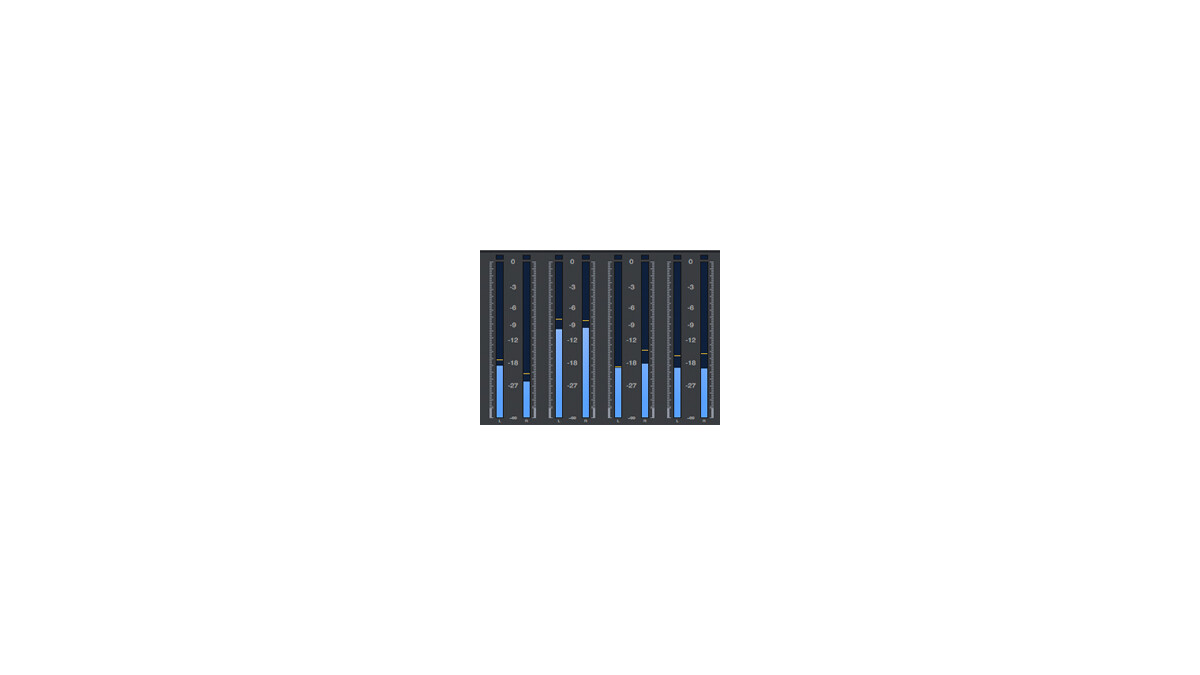
The Importance Of Headroom In Music Production Audiofanzine Headroom is the space in decibels between your audio's loudest peak and the clipping point. learn why it's crucial for clean, dynamic mixes and how to preserve it. In audio engineering, headroom is the difference between the loudest peak level (the transients) and 0 dbfs (decibels full scale). this is essentially a space you leave unused, serving as your safety zone. Headroom in mixing is the difference between the peaks of your mix and the point of clipping. leaving at least 6db (or having your mix peak at 6db) is ideal before the mastering stage to allow the mastering engineer to add processing to enhance your mix. Headroom is the amount of space you have in a mix before causing distortion. to manage headroom properly, the mixing engineer uses gain staging and other techniques typically to achieve at least 3 to 6 db of headroom before mastering.
What Is Headroom In Mixing And How To Make More Music Guy Mixing Headroom in mixing is the difference between the peaks of your mix and the point of clipping. leaving at least 6db (or having your mix peak at 6db) is ideal before the mastering stage to allow the mastering engineer to add processing to enhance your mix. Headroom is the amount of space you have in a mix before causing distortion. to manage headroom properly, the mixing engineer uses gain staging and other techniques typically to achieve at least 3 to 6 db of headroom before mastering. Headroom in audio mixing is the difference between the average signal level and the maximum peak level before distortion occurs. typically, engineers aim for 6 to 12 db of headroom in their mixes, ensuring there’s enough buffer for dynamic content without clipping. Headroom is the space between the sweet spot and the distortion ceiling. you don't want to or need to fill up that space during the recording or mixing stages of the recording process. At the mixing stage, you need to leave enough headroom in your rendered mix for the subsequent application of mastering eq and dynamics processing. Learn what headroom means in mixing and how to prevent clipping and distortion. a simple “water bottle” analogy makes it easy to understand.
Comments are closed.