Inside the Crisis: Toronto Police Chief Vows Investigation into Alarming Allegations of Antisemitism

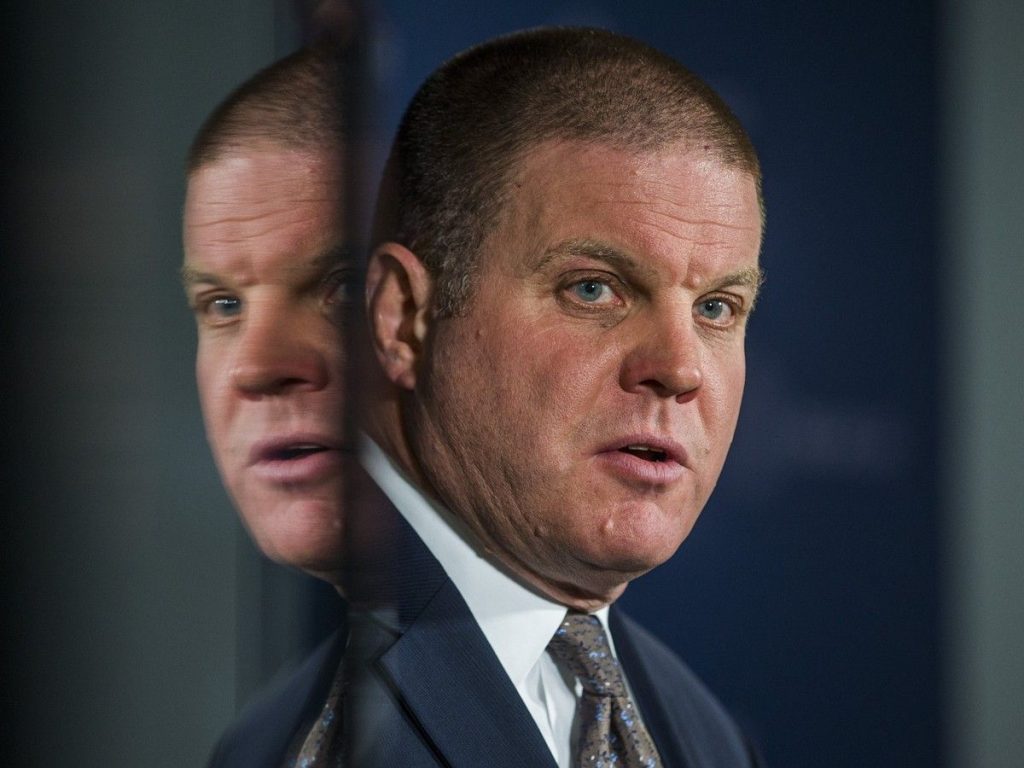
The Toronto Police Service (TPS) is currently navigating a period of intense scrutiny following the publication of a bombshell memoir by a highly decorated former investigator. As of 2026, the ripple effects of these claims continue to challenge the institutional integrity of Canada’s largest municipal police force. At the heart of the controversy are allegations of systemic antisemitism, racism, and internal dysfunction within the uppermost echelons of the service.
Chief Myron Demkiw, who has led the force since late 2022, has publicly committed to a “thorough and complete” probe into these claims. However, the situation remains complex, complicated by the refusal of the accuser to participate in the internal review process. This article explores the depth of these allegations, the response from leadership, and what this means for the future of policing in Toronto.
The Catalyst: ‘The High Road’ and Its Disturbing Revelations
The spark for this institutional crisis is the memoir The High Road: Confessions Of A Homicide Cop, written by former homicide detective Hank Idsinga. Idsinga, a veteran officer who commanded respect for his work on some of Toronto’s most notorious cases, paints a harrowing picture of what he describes as “vile racism” existing within the highest ranks of the service.
Specific Instances of Targeted Hate
Idsinga’s allegations are not vague generalizations; he recounts specific, visceral encounters that he claims left him physically ill. In one disturbing instance, he describes walking into an office to find a senior officer watching a video featuring a divisional officer. The senior officer allegedly paused the video to remark, “The only reason he gets away with this is because he’s a fg Jew.”
In another instance, Idsinga details a situation where his team was preparing a presentation for a lawyer at police headquarters. The same senior officer allegedly remarked, “I can’t believe we have to pander to this fg Jew.” These comments were made in front of Idsinga, who notes that his colleagues were unaware of his own Jewish heritage—his grandfather was murdered in the Holocaust—adding a layer of personal tragedy to the professional betrayal he witnessed.
Chief Demkiw’s Response: A Balancing Act
Chief Myron Demkiw has faced immense pressure to address these claims head-on. During a recent press conference, Demkiw acknowledged the “dramatic rise of antisemitism” across Toronto and the palpable fear it has generated within the Jewish community. He emphasized that the TPS is committed to ensuring that any officer involved in racist behavior is held accountable.
Why the Investigation Faces Hurdles
While the Chief has pledged a full investigation, the process is currently at a standstill regarding the primary source. Idsinga has stated that he has no faith in the internal mechanisms of the TPS to investigate itself. He writes that he never filed a formal complaint during his tenure because he believed the very people he would be reporting to were the ones enabling the culture he sought to expose.
This “whistleblower’s dilemma” creates a significant challenge for the TPS. How does an institution conduct a transparent, objective investigation when the individual who brought the evidence forward refuses to cooperate with the investigators?
The Broader Culture of Policing in 2026
Idsinga’s book is not merely an indictment of antisemitism; it is a broader critique of the internal culture of the Toronto Police Service. He notes that while the vast majority of officers are “good, decent people,” the force is not immune to the societal biases that infiltrate every level of professional life.
Antisemitism: The central focus of the memoir’s most explosive claims.
Anti-Black Racism: Cited by Idsinga as another layer of the systemic bias he witnessed.
Misogyny and Homophobia: Alleged to be part of an entrenched, toxic environment within certain departments.
Institutional Dysfunction: A lack of leadership oversight that allows these prejudices to fester.
These allegations have sparked a wider conversation in Toronto regarding the necessity of independent oversight. Critics argue that the current model—where police investigate their own—is fundamentally broken and incapable of weeding out deep-seated bigotry.
Analyzing the Impact on Public Trust
The trust between the public and the police is a fragile commodity. When a high-ranking officer, especially one with as much investigative pedigree as Idsinga, alleges that leadership is compromised by prejudice, it erodes the foundation of that trust.
For the Jewish community in Toronto, which has seen a record-breaking number of antisemitic incidents in recent years, these revelations are particularly devastating. The perception that the very institution tasked with their protection may harbor individuals who hold hateful views creates a significant barrier to community safety and cooperation.
Moving Forward: Is Change Possible?
Chief Demkiw has indicated that he is meeting with internal Jewish support networks and other stakeholders to ensure the service is “responsive to everything we find.” However, the path to reform will likely require more than internal meetings. It will require:
- Independent Oversight: Moving toward third-party investigations for allegations involving senior leadership.
- Cultural Sensitivity Training: Moving beyond standard modules to address specific, high-level biases.
- Whistleblower Protection: Creating a safe, neutral channel for officers to report misconduct without fear of retaliation or institutional gaslighting.
Conclusion: The Road Ahead
The allegations leveled by Hank Idsinga are a wake-up call for the Toronto Police Service. As the force grapples with the fallout of The High Road, the leadership must decide whether to “close ranks” or “shine a light” into the darker corners of the organization.
Chief Demkiw’s public commitment to a thorough investigation is a necessary first step, but it must be followed by tangible, transparent action that goes beyond rhetoric. For a city as diverse as Toronto, the integrity of its police force is not just a matter of internal policy—it is a matter of public safety and social cohesion. Whether the TPS can reform from within remains the defining question of the year.